Most AI automations work well on day one. The prompt is fresh, the examples fit, the output matches what you had in mind. You ship it, schedule it, move on.
Then the quality drifts. The output is still technically fine, but something's off. The tone shifts. Edge cases slip through. Summaries go vague, recommendations go generic. Nothing breaks loudly enough to trigger an alert, but the gap between what you expected and what you're getting widens with every run.
This is the long tail of AI automation, and almost nobody plans for it.
Why does AI output degrade over time?

The drift isn't random. A few consistent patterns drive it.
The world moves, the prompt doesn't. Your job runs the same instructions every time, but the data underneath changes. Customers phrase things differently. Competitors reposition. Formats shift. The prompt was written for the world as it looked on setup day, and the gap grows from there.
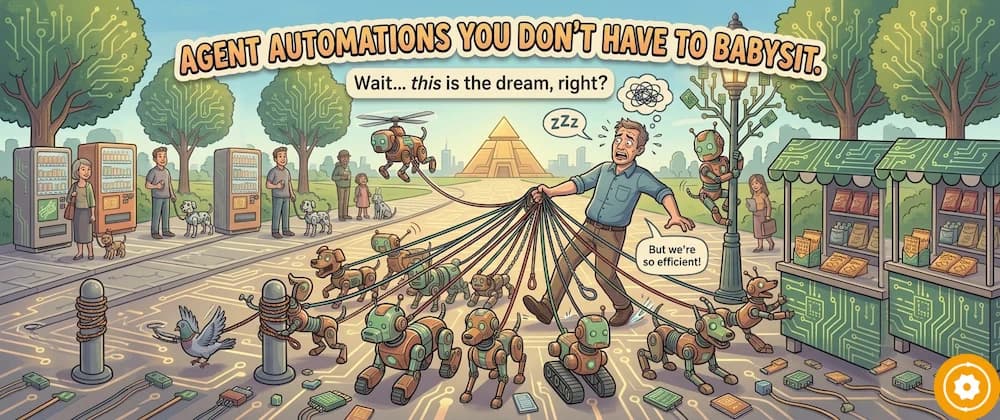
Context is lost between runs. Most scheduled jobs start from a blank slate every execution. The agent doesn't remember what it did last time, what worked, or what you corrected. Each run is isolated, so the same mistakes repeat indefinitely and patterns a human would catch after two cycles never get learned.
Confidence without calibration. Language models don't know when they're wrong. A report that confidently states incorrect figures looks identical to one that's right. Over many runs the errors accumulate downstream and nobody notices, because the format always looks correct.
It compounds across jobs. With one automation, drift is manageable; you spot it and fix the prompt. With ten or twenty, each drifting on its own, the cumulative effect goes invisible. You can't track the quality trajectory of twenty outputs by hand, so you don't, and by the time something visibly breaks the rot has been building for weeks.
What doesn't fix it
The instinct is to improve the prompt. Prompts matter, and a better one helps the next run. But it won't stop drift, because the problem isn't the instructions. It's that nothing checks the output as conditions change.
Adding more context, few-shot examples, rigid formatting rules, helps short-term and makes the prompt brittle. The more specific the instructions, the more they break when the input shifts shape.
Logging everything and reviewing periodically works only if you actually do the reviews. In practice the logs pile up, nobody reads them, and review becomes something that happens after a failure instead of before one.
What actually fixes drift: the overseer
Drift is one face of the capability-reliability gap: the model stays capable while the output quietly stops being right. You don't close it with a better prompt. You close it with something reading the runs.
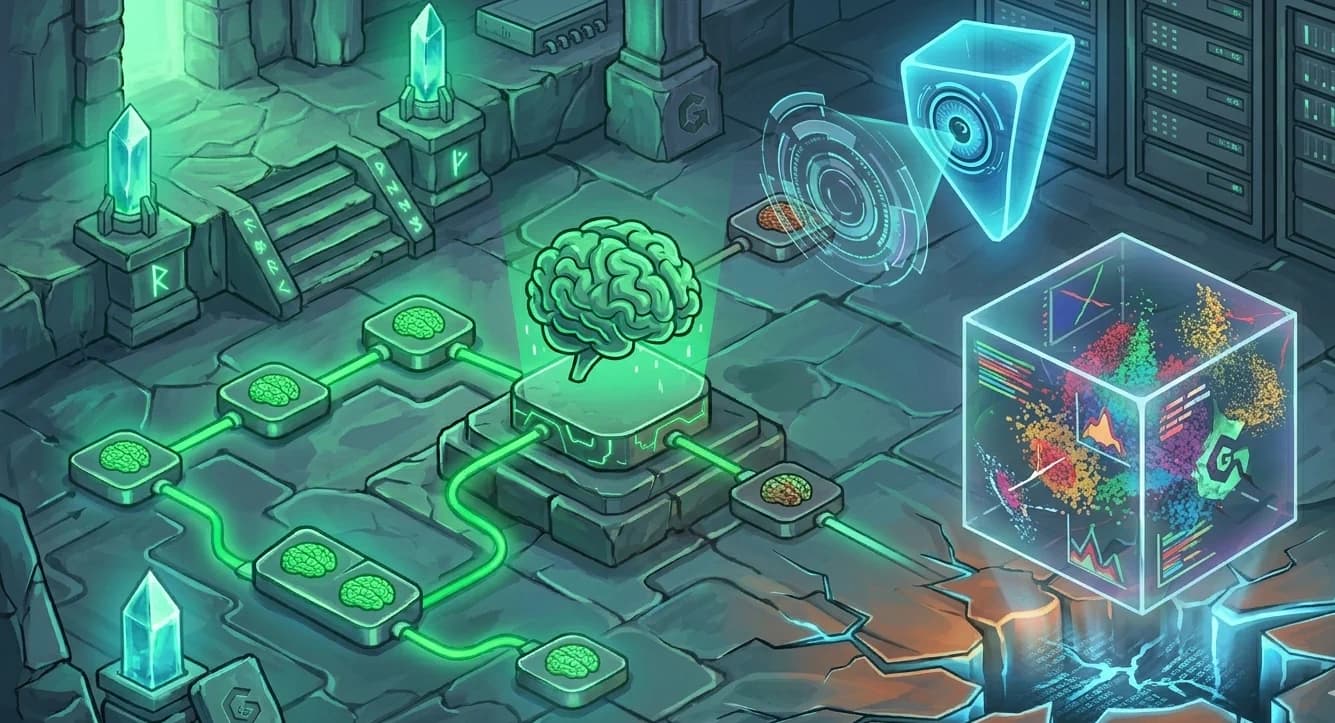
That something is the overseer. The overseer is a separate evaluator that reads each run, not just its result, and escalates only what needs a human. Because it reads the run and not only the final output, it catches reasoning going thin before the format gives it away. And because your corrections feed back into it, the system absorbs your judgment over time instead of repeating the same slip. Here's how that works in practice.
The goal isn't zero human involvement. It's the right amount, decreasing as the system earns trust. Start fully in the loop, tighten as quality holds, step back when the pattern proves out. The automations that last aren't the ones with the best prompts. They're the ones with something watching them drift.